




Any wine snob can talk for hours about Terroir, the unique characteristics wine attains from the environment and landscape the grapes were grown in, giving each region's wine its own flavor and character.
However, when it comes to beer, the question of how the region the beer is made in impacts the flavor becomes hazier than a New England IPA. When the hops are delivered from Oregon, the barley comes in monthly from Belgium and the malt is imported from Brazil, what makes Israeli beer…Israeli?
A Boozy History
The history of beer in Israel dates back to ancient times, with roots tracing to the Sumerians of Mesopotamia and the Egyptians, who brewed beer known as Zythos or Zythum using barley and emmer.
This ancient craft continued through the generations, with beer production flourishing during the Ottoman Empire in the 16th century. However, the modern era of Israeli beer began in 1948 with the establishment of Dagan Beer Industries Limited by Rafael Dagan in Holon, marking the beginning of a new chapter in Israeli brewing. What started with simple ales and lagers has blossomed into a world of creative flavors and techniques.
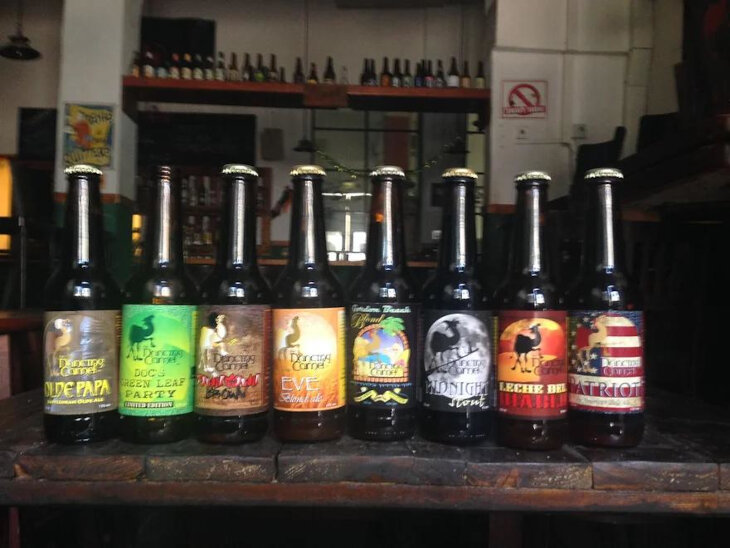
This renaissance of creativity was started by Dancing Camel brewery in 2006. Opened by American micro-brewer David Cohen in an old grain storage facility from the 1930s. Cohen set out on his journey to bring craft beer to an Israeli audience, Cohen had one goal in mind. “To make exciting beer, that makes people think and smile.”
By incorporating Israeli spices, herbs and fruits into his beer he stumbled upon countless ideas that have never been tried before. In the process, Cohen began to define what Israeli beer means.
The Rise of Craft Beer
Since then year after year more Israeli craft breweries have burst onto the scene, looking to capture magic in a bottle.
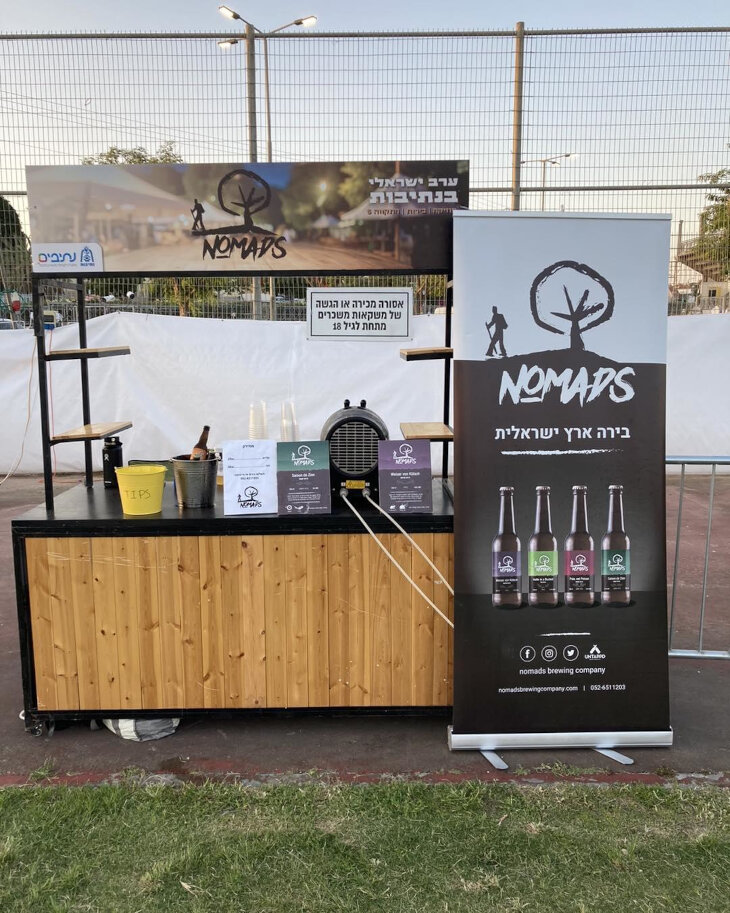
Brewers like Jonah Rubin of Nomads Brewery incorporate unique Israeli flavors in their beers. Nomads came about when Rubin and his friends at The Dancing Camel had some fun ideas they wanted to try. “I got tired of American beer, German beer, the regular stuff. I wanted to explore what Israeli beer could taste like,” Rubin told me.
For Rubin, beer should be made with what you have, not what you don't have. That's why Nomads specializes in combining ancient Israeli flavors with modern brewing techniques. Their Za'atar Saison brings a savory edge to their flagship brew, Persian lemons bring out the citrusy notes in their Shah of Sunset beer, and cardamom, shatta pepper and sumac provide the standout flavors for Nomads other beers.
By paying homage to Israeli beer history and incorporating distinctly land of Israel flavors, they bring something special to the Israeli beer scene.
Other breweries approach the question of what is Israeli beer differently. Bazelet brewery, located near Katzrin in the Golan Heights, uses the mineral-rich water from the Seleucia spring to produce beers that are imparted with the flavors of the basalt rocky terrain they come from.
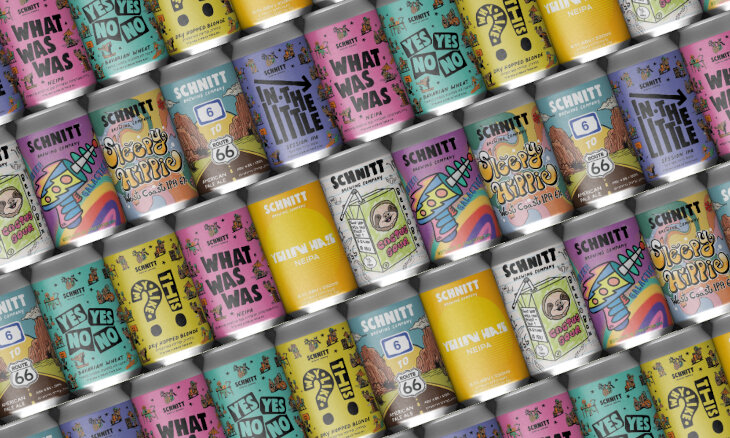
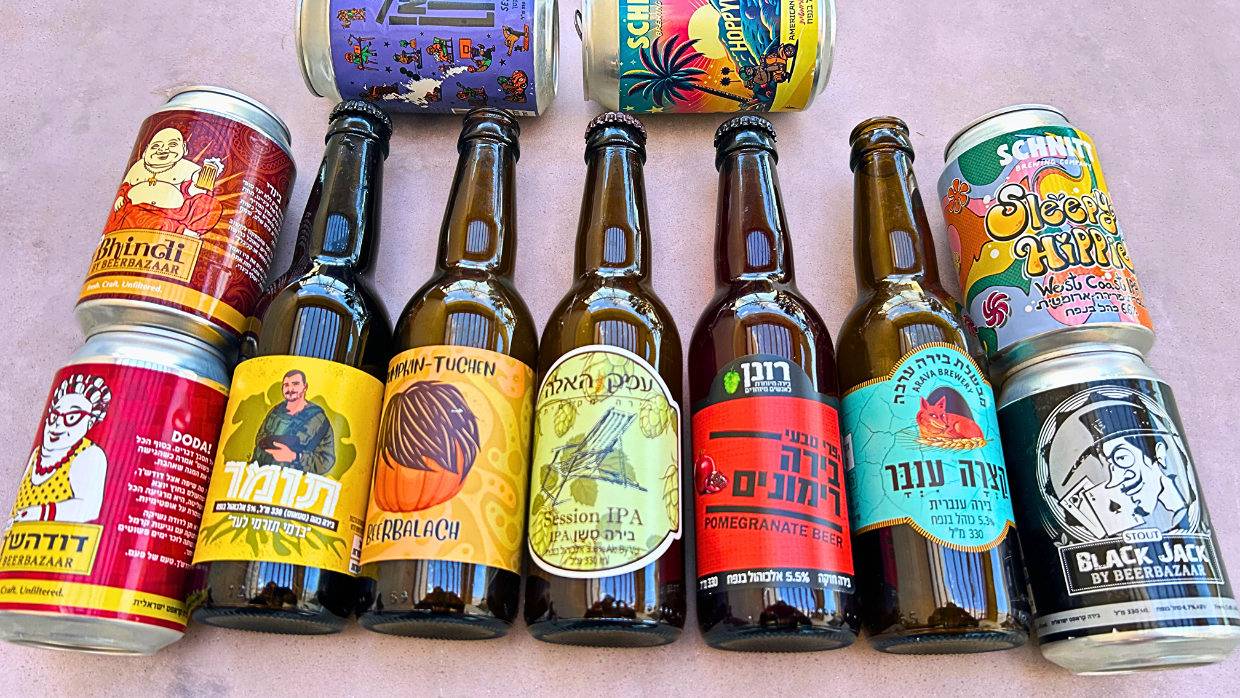
Schnitt brewery, a microbrewery based in Tel Aviv also works to bring iconic Israeli flavors to their beer with their Kiddush Wine Sour, and Sabres Beer, a collaboration with Orly Cactus Farms letting the flavors of cactus fruit shine. They experienced the biggest sales boost throughout the pandemic. When people began to be exposed to new varieties of beer they'd never tried before. Now that the local bar was off-limits they had more of a say in which beers they were gonna bring home, and many chose to go craft.
The Most Unique Israeli Beers
Doug Green, the Jerusalem Post's resident beer expert explains how the war has impacted the craft beer industry, “these days, when the war has brought hard times to the entire alcohol sector, the micro-breweries are experimenting less and concentrating on producing beer styles that are proven sellers.”
This hasn't prevented some brave beermakers from innovation and experimentation.
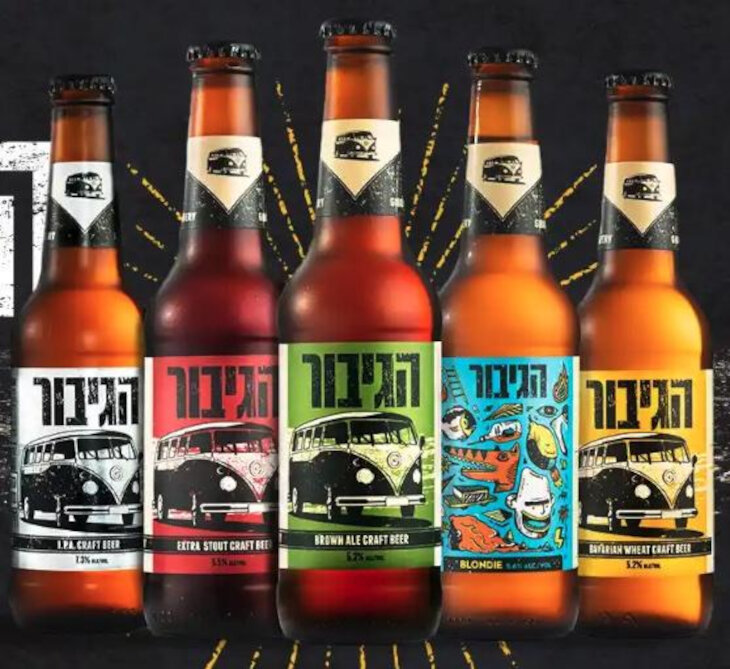
HaGibor Brewery in Carmiel, serves up several standout brews, namely “Flora,” their passion fruit beer, infused with flavors of lychee and mango as well. Another popular beer of theirs is the “Giborot” beer, a Lager infused with lemongrass crafted in honor of the heroic women serving in the IDF.
Klara Beer's award winning Cardamom Coffee Beer and Lychee Wheat beers take inspiration from the exotic East which pairs perfectly with the modern beer crafting techniques.
Shevet Brewery's unique brews accentuate unique flavors and spices. Their German wheat beer "The Farm Mama" is brewed with chamomile, oatmeal and white pepper. "The Tipsy Wizard" is another standout, a strong 9% beer with notes of pine nuts and banana.
Suitcase Beer has been a mainstay of modernization since its inception, bringing some of the most unique and out-there ideas to the Israeli beer market. This past month they released a rhubarb and apricot sour beer that was aged in a wine barrel. For Halloween, they introduced a Hansel and Gretel collection. One flavored with ginger, lemon and pineapple and the other with strawberry and banana. From gummy bear beers to stouts aged in whiskey barrels, Suitcase Beer is a beacon of innovation and ingenuity in the south.
Another Southern based brewery is HeHalutz Hadash, owned by Gilad xxx.
Craft beer in Israel reaches further than just microbreweries. Homebrewers like Yaniv and Lea of Beerbalach brew some of the most interesting flavors of beer in the country. Their pickle juice beer is one of a kind, and the aromas of their Pumpkin Tuchen beer gets you right in the Autumn spirit.
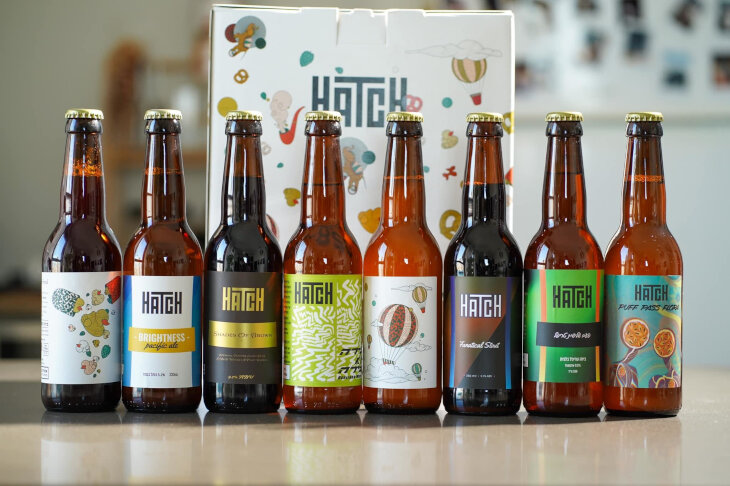
If you're looking for a true mad scientist of beer, look no further than Ephraim Greenblat, founder of Hatch Brewery, which is probably the most unique brewery in the country. When I sat with him in their small Jerusalem brewery over some of the most surprising and strange bottles I'd ever tasted, Ephraim handed me a bottle of their WD-Forty ale, last month's latest brewing experiment. “We might get sued (for copyright infringement), but life is too short to worry about that,” he jokes.
Greenblat made Aliyah 10 years ago and says that he's always been obsessive when it comes to beer. Over the span of a few years he had brewed over 400 beers in his basement. Once he got the hang of things he transformed his living room into a hub for rowdy Yeshiva students and college-goers looking for cheap beer and a good time. At its peak he was pumping out 8 different home-brewed beers on tap at once, hosting battles of the bands, open mic nights, and poetry slams, Greenblat's home became a local institution. “I'm still not sure how my wife put up with me in those years,” he joked.
Greenblat sees brewing beer as a sort of magic art, saying “the only difference between me and a magician is I'm not afraid to reveal my secrets.” Like all great artisans Greenblat is never happy with his beer, “I'm always looking to make it better,” he says. That's why Hatch posts their brewsheets (beer recipes with the exact amounts used in their beers) and challenges whoever can make it better to bring a bottle (unsurprisingly, nobody has).
Always pushing forward new creations, he says that “if it were up to me, I would never brew the same beer twice, sure I make mistakes and not every experiment works, but I wouldn’t have it any other way.”
Their Tomato and Basil beer, which evokes flavors of Neapolitan Pizza, and their Basil Mango Orange Sour are two recent examples of this experimentation at work.
Outside the brewery Greenblat has continued to innovate, by collaborating with Chef Nadav Malin, and creating a 10 course tasting menu showcasing all the elements of beer. Cooking with hops, malt and Hatch's own brews to invent new flavors and combinations never seen before.
As an expat Greenblat sees what makes Israeli beer unique in a different light. “The temperament of the Israeli man is uniquely suited for craft brewing. Craft brewers push limits, go all out, are obsessive and irreverent which is what the Israeli spirit is about.”
The Future of Israeli Craft Beer
As the industry continues to grow, Israeli craft breweries are expanding their offerings and coming up with new ways to bring delicious beer to the masses. Beer festivals, beer gardens, and beer games have become integral parts of the craft beer experience, allowing visitors to immerse themselves in the culture and craftsmanship of Israeli brewing.
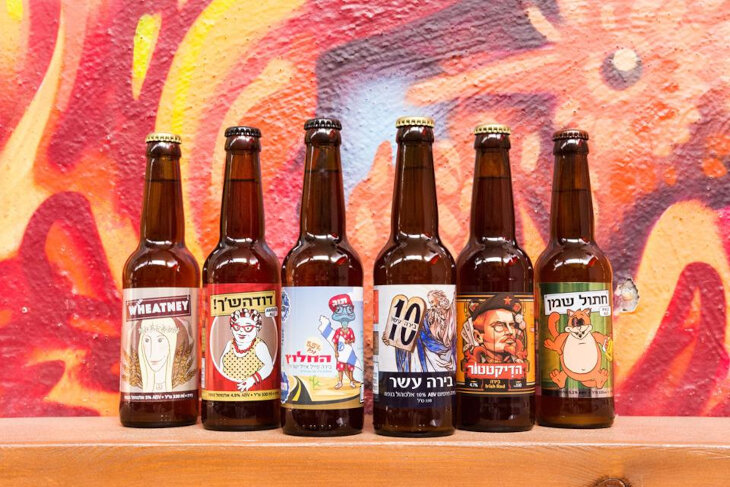
Many of these concepts were first brought to Israel by Lior Weiss, who left his job in civil engineering in 2011 to pursue his passion of bringing great craft beer to Israel. That's how Beer Bazaar, one of Israel's biggest craft breweries, was born. Starting off as a small booth in Carmel Market, the colorful cans and picturesque bottles caught the eyes of many and they began to develop a following.
Beer Bazaar has a quality first approach, and they have tried to stay ahead of the curve. This has helped them be the first to franchise their bars and deliver beers online when COVID-19 hit. They have also done whatever possible to use their platform for good. This includes a collaboration with a Ukrainian microbrewery following the outbreak of the Russia-Ukraine war, and a beer with Adi, an organization for organ donations.
Post October 7th, they also released new labels for many of their classic brews titled “Bad Animals” in honor of the soldiers serving in Gaza and Lebanon.
Beer Bazaar is one of many breweries that have used beer as a vessel for telling a larger story, but Tomer Beer has taken that baton and run with it.
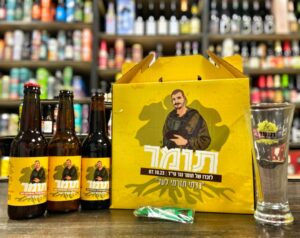
Tomer Nagar was a young boy who dreamed of being a combat soldier, “going from a chubby little kid to a refrigerator,” in his father's words. He went on to serve in Golani, and early in the morning of October 7th, he realized something had gone awry. He told his friends to stay back and protect the civilians while he stayed put with his Negev (an Israeli machine gun) and was determined to fend off as many terrorists as he could until his bullets ran out. Nagar single handedly warded off over 80 terrorists by himself, saving the lives of many in Kibbutz Kissufim in the process, but unfortunately he was shot down and killed in the process.
Prior to the army Tomer was a massive beer fan, and he loved to go on beer tours of Europe with his friends. Tomer's sister thought this would be an important way to honor his memory and together with his friends and family and Ofer Ronen of Srigim Brewerey, they created four labels of beer, modeled after Tomer's favorites brews.
He was also very active volunteering with children in need, which is where the profits of Tomer Beer go now. The funny thing is, the Nagars don't even like beer. But to hear the love they've received for their beers, “is worth everything.”
Moshe Glentz, of Glentz Beer from Yeruham, has also worked to commemorate fallen soldiers.
“The jump from making beer to making bottles for fallen soldiers was simple. Behind every beer is a story, and behind every hero is one as well. Bringing the two together helps me paint a larger picture.”
Every month, grieving families turn to Glentz for a meaningful way to honor their children's memories. When one of his regular customers called, Glentz expected the usual order of a six-pack. Instead, Levin shared the heartbreaking news that her son, Yair, had been killed. Deeply moved, Glentz collaborated with her to create a beer inspired by Yair’s favorites—the ones he cherished most during his visits home for Shabbat. They named it “The Surfer,” a tribute to his spirit and the joy he brought to those around him.
“The heart of Israeli beer is that we use such diverse ingredients.” He says. “Hops and malt and barley from so many different places that it creates a melting pot of flavors much like the melting pot that is our country.”
While beer is often seen as a way to escape life's troubles—downing pint after pint to calm nerves or drift into an alcoholic stupor—beer culture in Israel is quite different. Leon Schwartz, founder of Biratenu, a brewery and bar in Jerusalem (a clever play on words combining “our beer” and “our capital”), explains that in Israel, people don’t come in for their daily nightcap as they might in many European countries. Instead, beer is reserved for special occasions. This cultural difference poses challenges for the craft beer scene, which already grapples with rising production costs and stiff competition from foreign craft beers produced on a much larger scale.
From the ancient roots of beer brewing to the modern-day boutique breweries, each beer tells a story of passion and dedication. Whether you are a beer aficionado or a curious traveler, Israel's craft beer offers a unique and enriching experience that is deeply connected to the land and its history.
So, the next time you find yourself in Israel, take a journey through the country's burgeoning craft beer scene. With its rich flavors, unique ingredients, and warm hospitality, Israeli craft beer is sure to leave you with a lasting impression and a thirst for more.