Rosh Hashanah is the Jewish New Year. Like most Jewish holidays our celebrations center around family and food. Most people will gather together to celebrate the Jewish New Year with a festive meal that traditionally includes dipping an apple in honey to express our hopes for a sweet and fruitful year. Many will include a round challah instead of the typical braided challah we make the rest of the year to symbolize completeness. We want our year to be wholesome, round and sweet. Additionally, the concept of a circle reminds us of God's infinity and omnipresence, as it has no beginning or end. In contrast to the secular New Year where many focus on resolutions, the Jewish people focus on blessings for the coming year using symbolic foods to highlight the message and connect to our history.
What special foods are eaten on Rosh Hashanah?

While apples and honey are the most well known symbolic foods, there is actually an ancient tradition to eat certain foods along with their accompanying blessing in a particular order, this is called the Rosh Hashanah Seder.
Seders are not just for Passover. On Rosh Hashanah, the seder includes ten foods with symbolic messages (simanim) of what we want to experience in the coming year. Each food/sign is accompanied by a blessing with “Yehi ratzon” (“May it will be your will”), and each food has been chosen based on its unique taste, shape or name.
You can make a big platter of all the foods in their purest form or you can create a first course filled with small plates/appetizers that include the symbolic foods. Whatever you decide, it is a great way to start the Jewish New Year by including some new foods and flavors to symbolize sweetness, abundance, and prosperity in both physical and spiritual ways.
The 10 Symbolic Foods (Simanim) for Rosh Hashanah
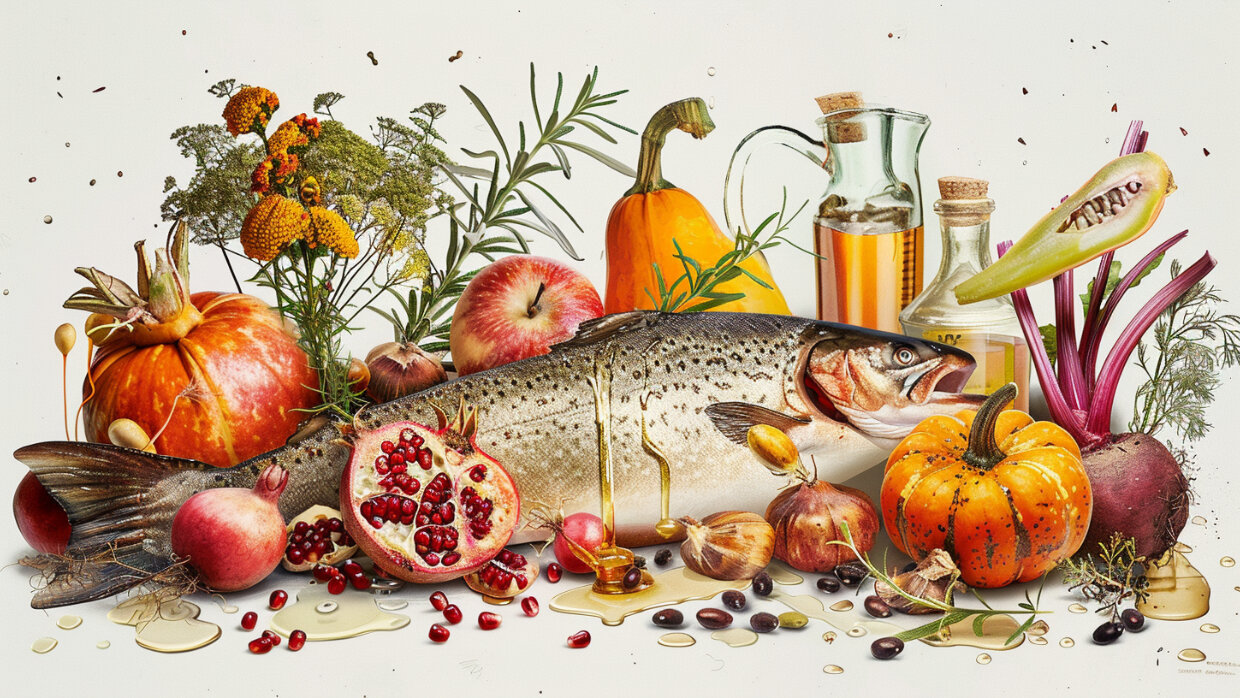
- Dates - A wish to triumph over our internal enemies
- Pomegranates - A wish to celebrate doing good for others
- Black-eyed Peas - A wish for successful spiritual growth
- Leeks - A wish to embrace a better way of living
- Beets - A wish for happiness
- Squash - A wish to avoid hard times
- Carrot - A wish for physical and spiritual abundance
- Fish - A with for productivity
- Head - A wish for leadership and positive action
- Apple and Honey- A wish to appreciate the sweet blessings in our lives
What is a traditional Rosh Hashanah Menu?
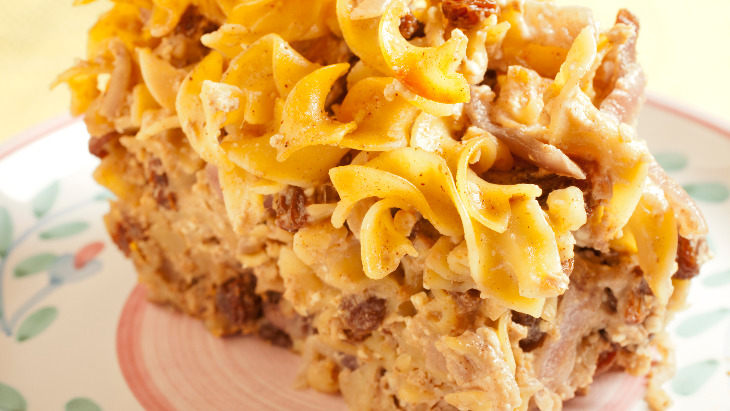
It is traditional to serve apples and honey along with a round sweet challah to start the meal. After that every family has their own tried and true favorite recipes, but roast chicken, brisket, lamb stew, kugels and honey cakes are quite popular. Here is a selection of recipes using the symbolic foods for you to choose from to make for your Rosh Hashanah menu.
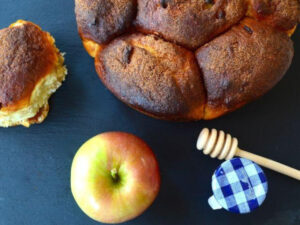
This soft, round challah is elevated with the inclusion of apples and honey, two symbolic foods for Rosh Hashanah. The apples dipped in honey represent the wish for a sweet year, and the challah's golden crust and tender inside make it a perfect centerpiece for the holiday table.
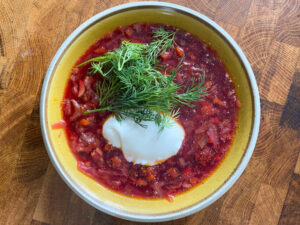
This borscht, with its vibrant beet base, represents the wish for happiness. Its sweet and sour flavors are balanced beautifully, making it a refreshing and symbolic dish for Rosh Hashanah. The deep red color of the beets also adds a festive touch to the meal.
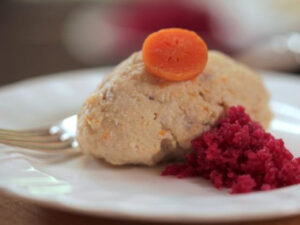
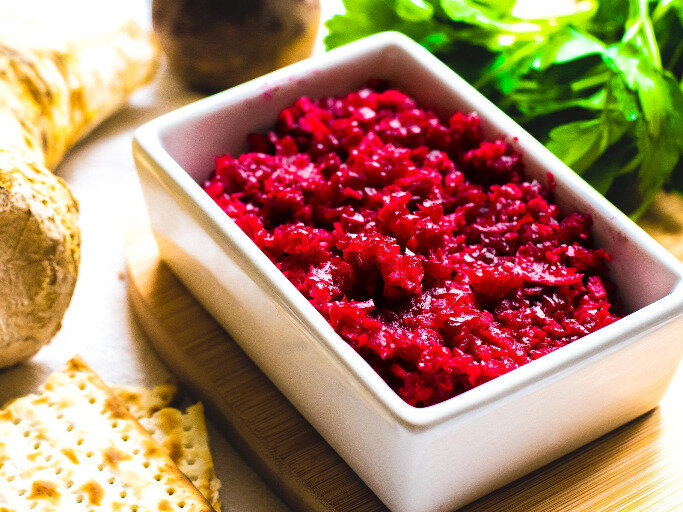
The combination of sweet gefilte fish and zesty beet horseradish creates a symbolic dish for Rosh Hashanah. The beets represent happiness, while the fish is a wish for productivity, making this pairing a flavorful and meaningful starter.
Make your own red horseradish from scratch.
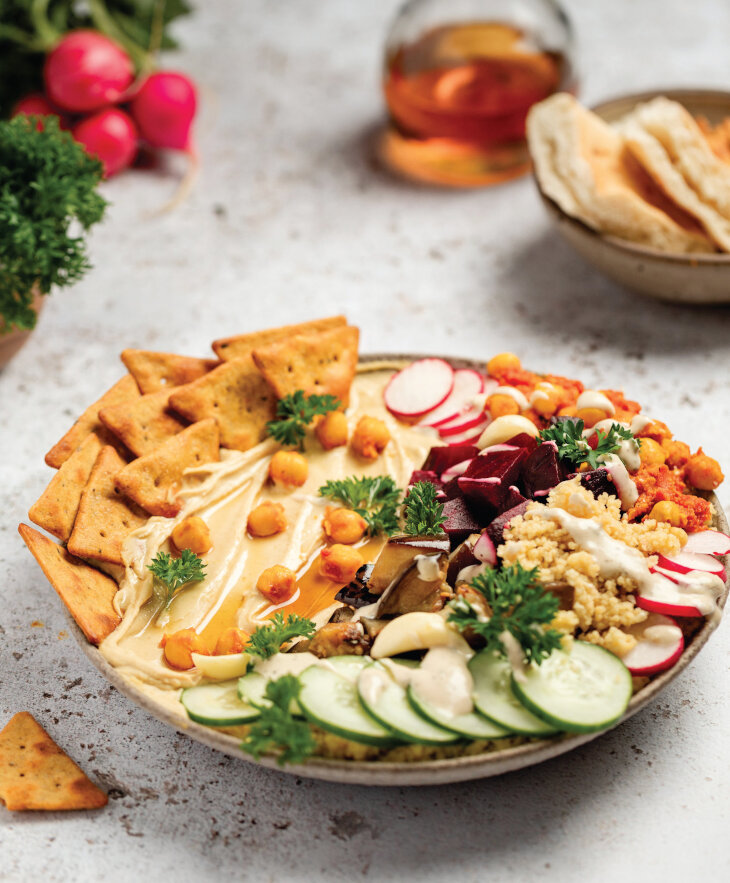
Packed with nutritious grains, fresh vegetables, and beets, this Mediterranean bowl is a vibrant and wholesome option that can be enriched with the addition of black-eyed peas, symbolizing a wish for successful spiritual growth. Combined with beets, which represent happiness, this bowl is a meaningful and nourishing choice for Rosh Hashanah. The black-eyed peas add a hearty element, while reinforcing the holiday’s themes of renewal and personal improvement.
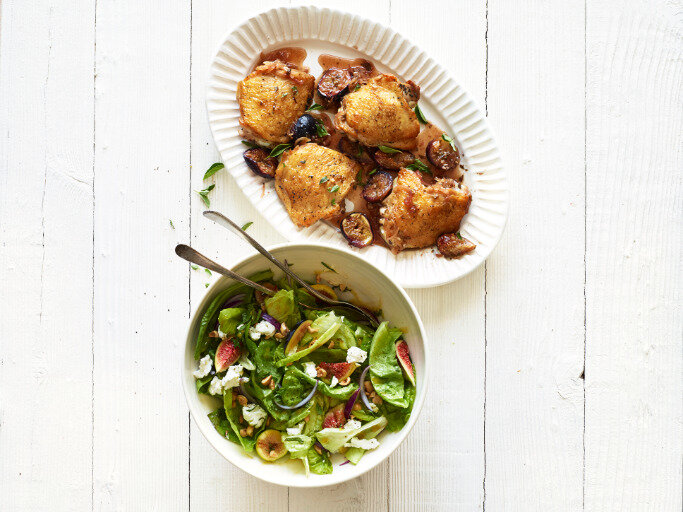
This dish blends the sweetness of roasted figs and dates with tender chicken, symbolizing a wish for productivity and a life filled with sweetness. The combination of fruits and savory meat creates a dish that's both rich in flavor and steeped in Rosh Hashanah traditions.
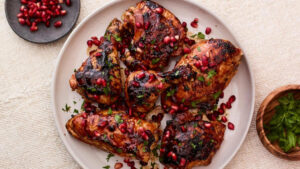
A savory chicken dish accented by pomegranate seeds, this recipe symbolizes the wish to celebrate doing good for others. The tartness of the pomegranates beautifully complements the tender chicken, making it a vibrant and symbolic main course for the holiday.
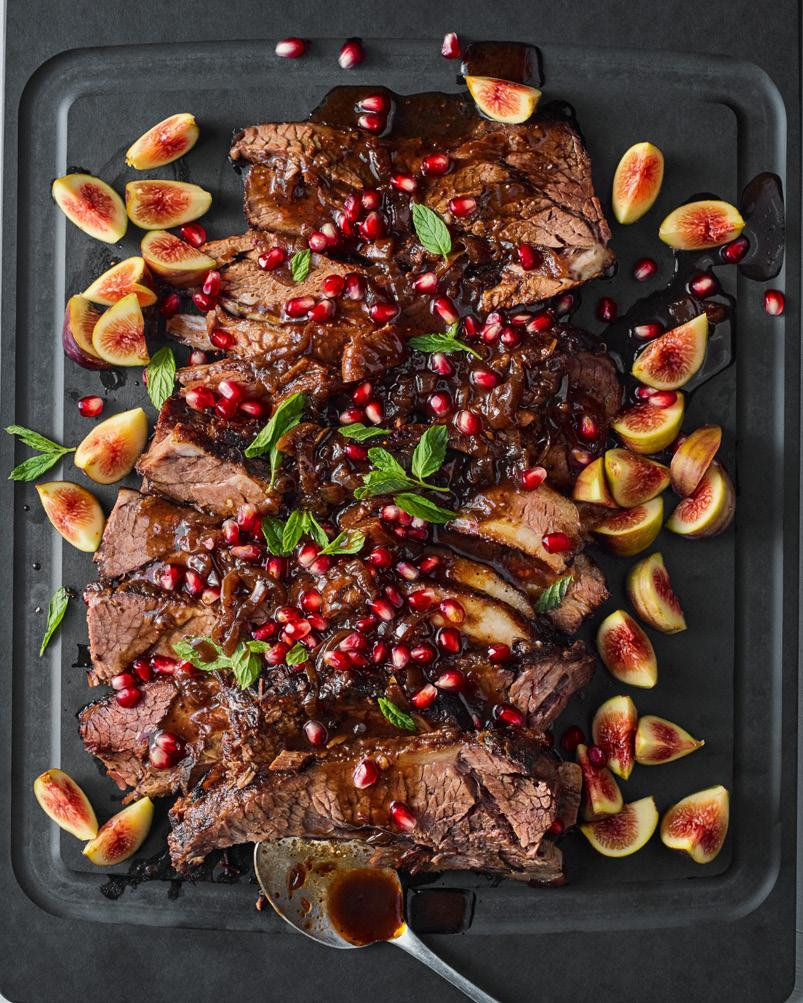
This tender brisket combines the richness of figs and the tang of pomegranates, symbolizing both productivity and good deeds. Slow-cooked to perfection, this dish is hearty, flavorful, and perfect for a festive Rosh Hashanah dinner.
The **Honey-Braised Short Ribs** are a rich and flavorful dish perfect for Rosh Hashanah, with honey symbolizing the wish for a sweet and prosperous new year. The tender, slow-cooked beef pairs beautifully with the sweet glaze, making it a comforting and symbolic main course that embodies the holiday's focus on sweetness and blessings for the year ahead.
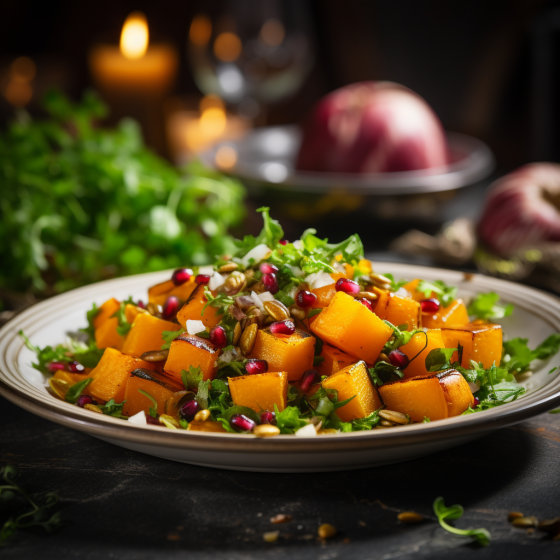
This warm salad combines roasted butternut squash with pomegranate seeds, both of which symbolize avoiding hardship and doing good deeds. The nuts add a delightful crunch, but can be omitted for those that have the custom not to eat nuts on Rosh Hashanah.
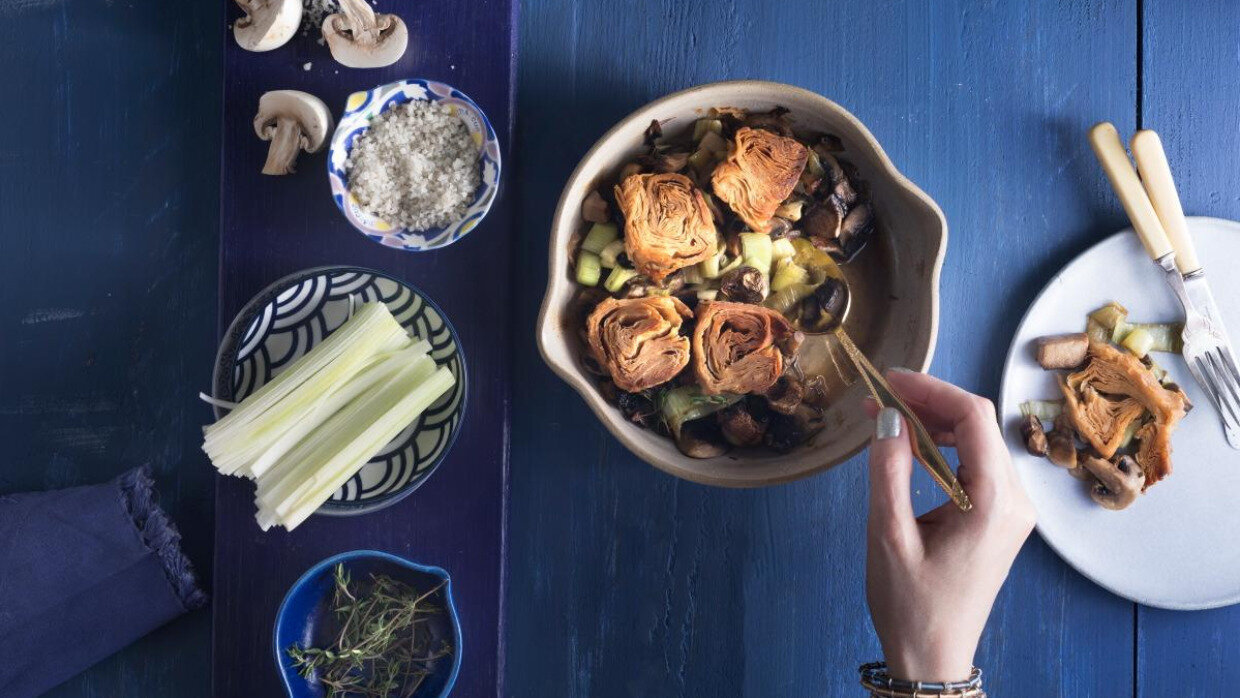
A traditional dish with a twist, this Jachnun incorporates leeks, symbolizing a wish for better living, and earthy mushrooms. The slow-cooked dough pairs perfectly with the savory filling, offering a comforting and symbolic dish for the holiday.
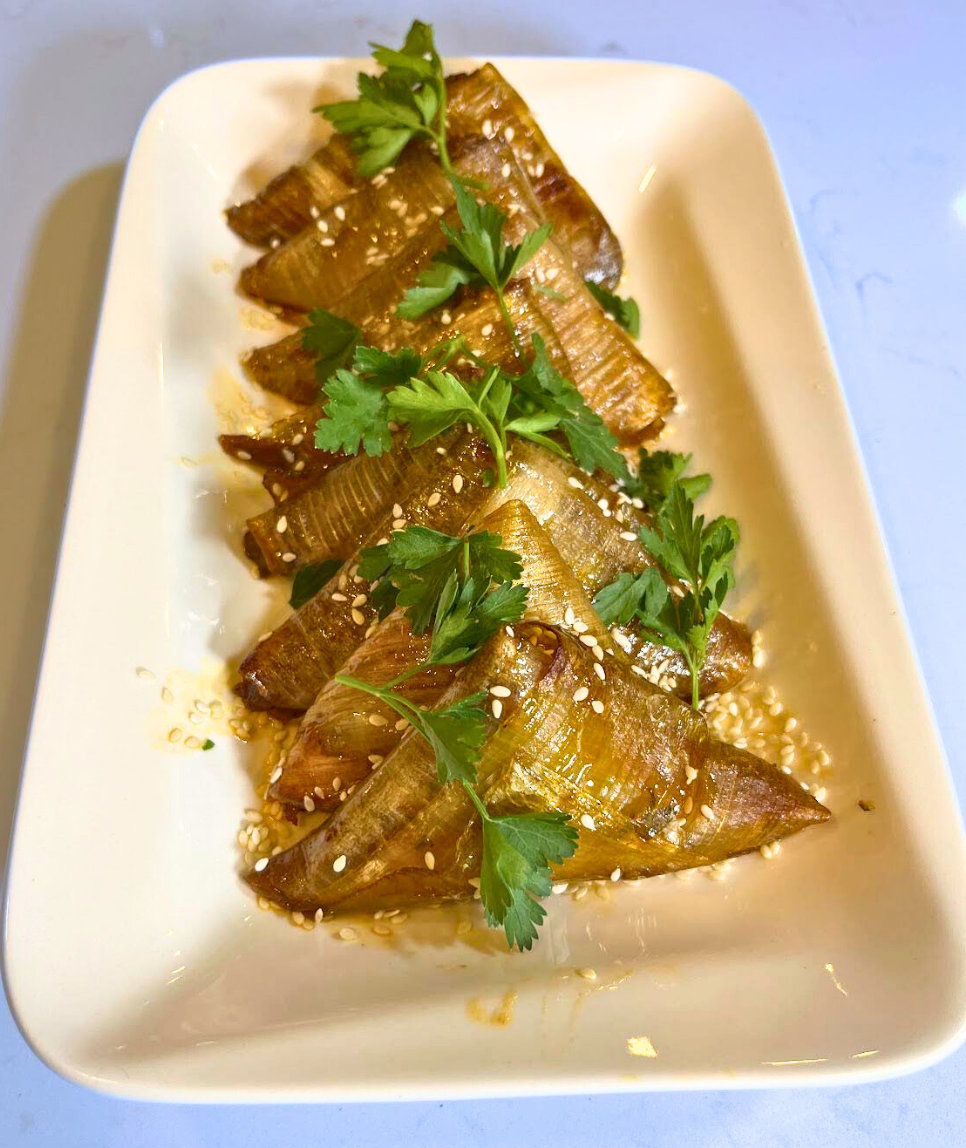
Leeks are symbolic of a wish to embrace a better way of living, and these stuffed leeks are a flavorful way to bring that symbolism to your Rosh Hashanah table. Filled with a savory mixture, they offer a unique and meaningful side dish that connects to the themes of growth and improvement.
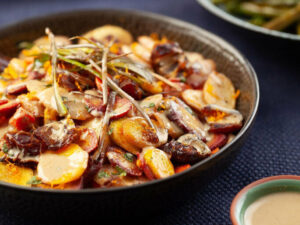
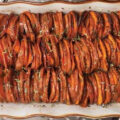
Featuring the symbolic carrots for abundance and dates for sweetness, this dish is as beautiful as it is delicious. The vibrant rainbow carrots are charred and paired with creamy tahini, offering a balanced and colorful side for the holiday meal.
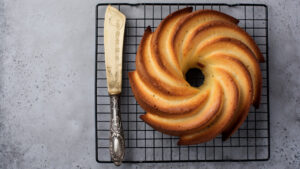
This rich and moist honey cake is a perfect choice for Rosh Hashanah, featuring honey as a symbol of sweetness and blessings for the coming year. Its warm spices and tender crumb make it a delightful dessert to end the holiday meal on a sweet note, embodying the wish for a sweet and fruitful new year.























Thanks for the guidance!