






 Debunking Viral Claim About the Talmud and Minors

11 min read
4 min read
16 min read

11 min read


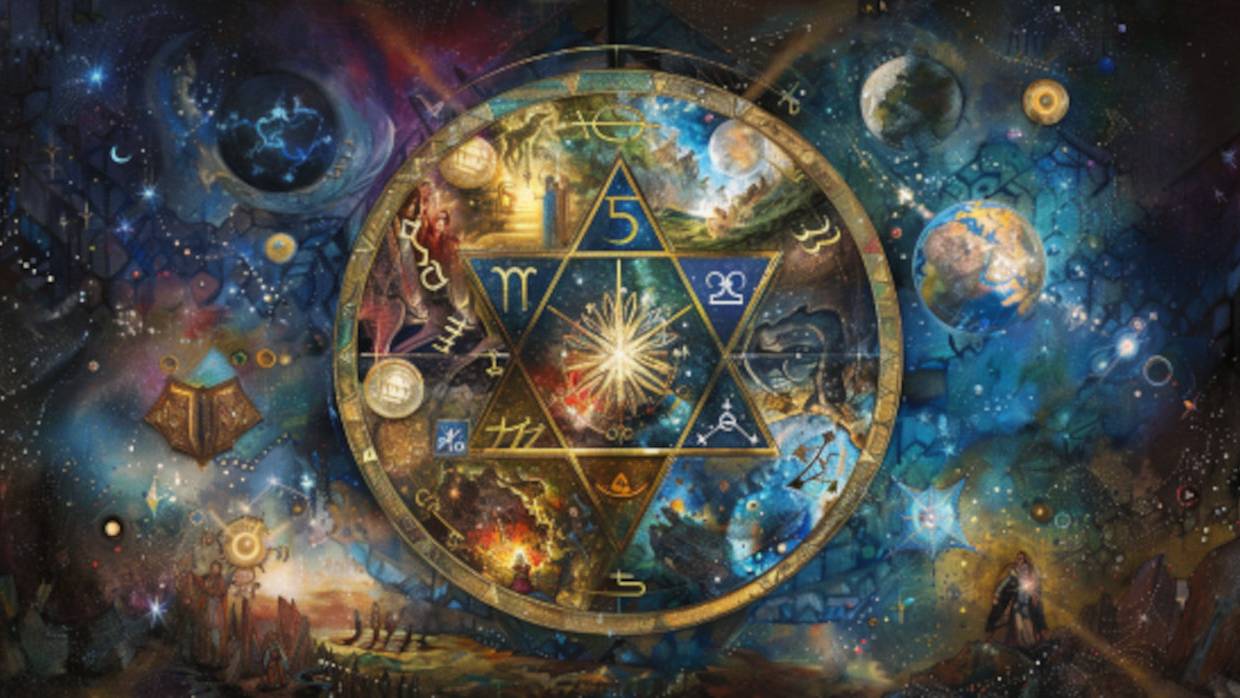
The deeper connection between the twelve tribes of Israel, the twelve senses, and the twelve zodiac symbols as a means for spiritual growth.
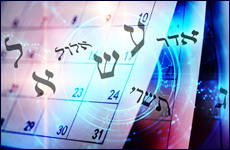
Time is more than just a way to measure days — in Judaism it’s a sacred spiral that offers unique spiritual opportunities. Each Jewish month carries its own blend of cosmic energies, human faculties, and divine intentions. These are connected to the twelve tribes of Israel (the families descended from Jacob's sons), the twelve senses (faculties like sight or hearing), and the twelve zodiac symbols (known in Hebrew as mazalot, meaning "constellations"). Aligning yourself with these spiritual attributes helps you navigate life’s challenges and opportunities with greater clarity and purpose.
Let’s journey through the twelve months, revealing the rich tapestry of connections between the tribes, senses, symbols, and their deeper significance. And on the way we’ll explore Judaism’s view of astrological influences and what it means to be born under a certain sign.
The Hebrew word mazal literally means “flow” or “influence.” It refers to the spiritual energies that channel divine will into the physical world. While you might think of mazal in terms of luck or astrology, Judaism offers a deeper perspective. The Talmud says, “Ein mazal l’Yisrael” (Shabbat 156a), which means, “The Jewish people are not bound by the stars.” This doesn’t mean that astrology is dismissed; rather, it emphasizes your ability to rise above predestined influences through the power of Torah and good deeds.
The Ramban (Rabbi Moshe ben Nachman, a leading 13th-century Jewish scholar) explains that while mazal may incline you toward certain traits or challenges, free will allows you to change and transcend those tendencies. “Astrology describes what may happen, not what must happen.”
Understanding the spiritual energies of each month helps you partner with divine providence in shaping your destiny.
Each Jewish month carries its own spiritual themes, connected to a tribe*, a sense, a zodiac symbol, and historical events from Jewish tradition. Here’s how you can connect:
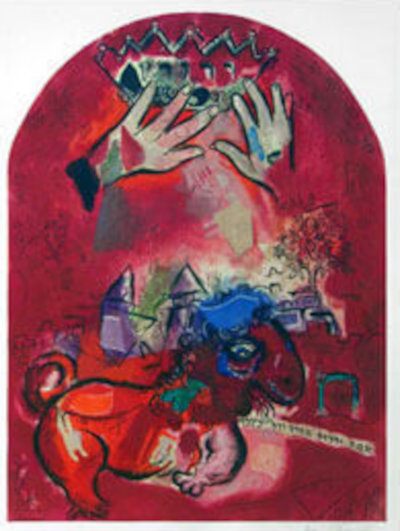 Tribe: Judah – Symbolizes kingship, leadership, and redemption. Judah was the ancestor of King David and is associated with strength and leadership.
Sense: Speech – as seen in the storytelling of the Passover Seder.
Zodiac Symbol: Aries (Lamb) – Represents the Pesach (Passover) offering, a lamb sacrificed during the Exodus.
Biblical Context: Nissan marks the Exodus from Egypt, the defining moment when God freed the Jewish people from slavery (Exodus 12).
Holiday Connection: Passover, includes the Seder, a meal where you tell the story of the Exodus and eat symbolic foods, emphasizing the transformative power of speech.
Reflection: Think about times when you found freedom in your life. Use words to inspire and liberate yourself and others.
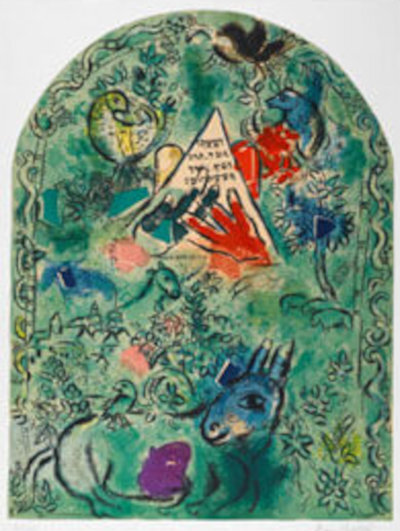 Tribe: Issachar – Known for dedication to Torah study and wisdom.
Sense: Thought – Represents introspection during the Omer count, a 49-day period of character refinement starting from Passover until the holiday of Shavuot.
Zodiac Symbol: Taurus (Ox) – Signifying strength and persistence.
Biblical Context: Issachar was blessed as a "strong-boned donkey" (Genesis 49:14), symbolizing the weight of Torah study.
Holiday Connection: The Omer is a time for personal growth in preparation for receiving the Torah.
Reflection: Use this month to refine yourself daily, building step by step toward your goals.
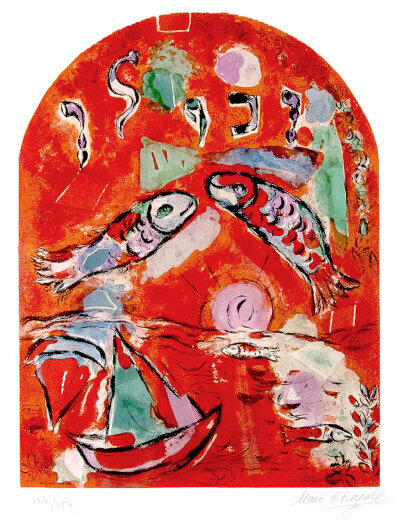 Tribe: Zevulun – Known for commerce and partnering with Issachar in supporting Torah scholarship.
Sense: Walking – Symbolizing the journey to Sinai.
Zodiac Symbol: Gemini (Twins) – Represents duality and the partnership of the Written and Oral Torah.
Biblical Context: This month marks the giving of the Torah at Sinai (Exodus 19).
Holiday Connection: Shavuot celebrates the revelation of the Torah.
Personal Reflection: Each year, Shavuot has the power to renew your sense of awe at the Torah's eternal wisdom. It is also a time to deepen partnerships, whether with people or Torah study.
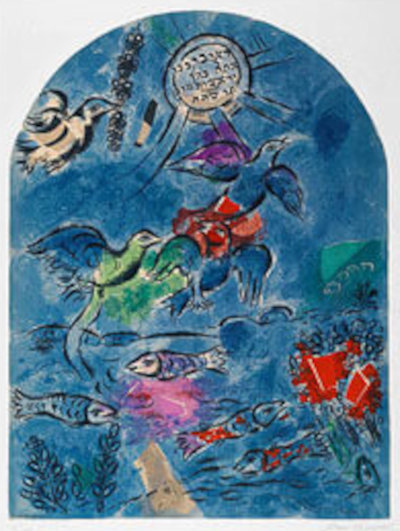 Tribe: Reuven – The tribe of Reuven is connected to sight, as the name "Reuven" means "to see." Reuven was the firstborn of Jacob and Leah, and his name reflects Leah’s hope that Jacob would see her struggles.
Sense: Sight – This refers to both physical and spiritual vision. In Tammuz, the challenge is to maintain clarity in spiritual matters and avoid distortions.
Zodiac Symbol: Cancer (Crab) – The crab, with its protective shell, symbolizes the need for spiritual defenses during challenging times.
Biblical Context: Tammuz is associated with the sin of the golden calf, when the Israelites misused their vision by creating and worshiping an idol. This event, recorded in the Torah, represents a moment of distorted perception and spiritual failure.
Holiday Connection: The fast of the 17th of Tammuz marks the breach of Jerusalem’s walls, leading to the destruction of the Temple. It is a day of mourning and reflection.
Personal Reflection: In Tammuz, you are called to refine your spiritual sight. How can you focus on seeing God’s presence in your life, even in moments of challenge or darkness?
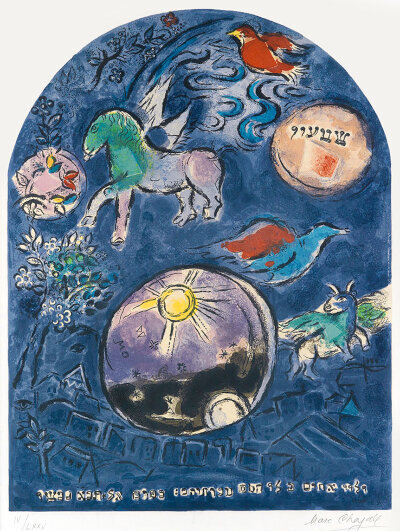 Tribe: Shimon – The tribe of Shimon is linked to hearing, reflecting the importance of listening to God’s warnings and promises. Shimon was the second son of Jacob and Leah, and his name means "God has heard."
Sense: Hearing – Av challenges you to listen deeply—not only to sound but also to God's messages, the emotions around you, and the lessons within moments of grief.
Zodiac Symbol: Leo (Lion) – The lion represents both destruction and the messianic hope for redemption, reminding you of strength and resilience even in adversity.
Biblical Context: Av is marked by the destruction of both the First and Second Temples in Jerusalem, devastating events in Jewish history. However, the month also contains seeds of hope, as the Messiah is traditionally believed to be born on Tisha B’Av, the 9th of Av.
Holiday Connection: Tisha B’Av is a fast day commemorating these tragedies. It is a time of mourning but also of hope for future redemption.
Personal Reflection: Av teaches you to listen for whispers of hope amidst grief. How can you use your challenges as a springboard for spiritual growth and transformation?
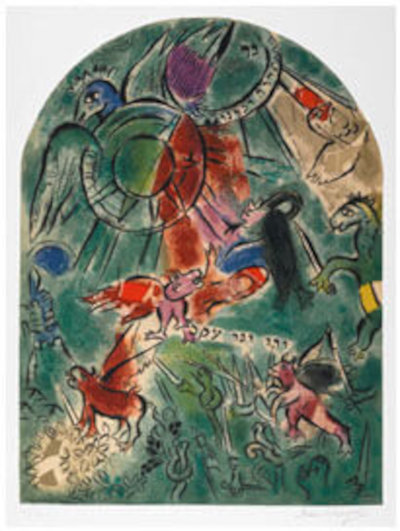 Tribe: Gad – The tribe of Gad is associated with preparation and action. Gad, one of Jacob's sons with Zilpah, represents strength and readiness for battle, reflecting the active process of self-improvement.
Sense: Action – In Elul, you are encouraged to take tangible steps toward change and repentance.
Zodiac Symbol: Virgo (Maiden) – The maiden symbolizes purity and renewal, key themes of this month.
Biblical Context: Elul is a time for introspection and returning to God. The name Elul is hinted at in the phrase “Ani L’dodi V’dodi Li” (“I am my beloved’s, and my beloved is mine”) from the Song of Songs, representing the closeness between you and God.
Holiday Connection: Elul is the month of preparation for the High Holidays of Rosh Hashanah and Yom Kippur.
Personal Reflection: Elul calls you to reflect on your actions and relationships. What steps can you take to prepare for a fresh start and deepen your connection to God and others?
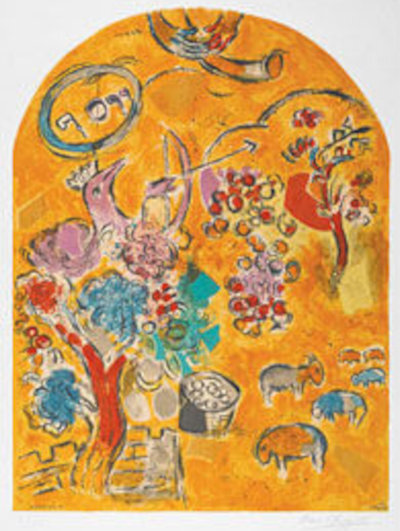 Tribe: Ephraim – The tribe of Ephraim represents fruitfulness and balance, reflecting its blessings of prosperity and harmony. Ephraim was the son of Joseph, and his name means "God has made me fruitful."
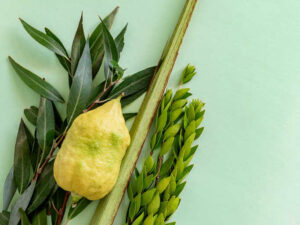
Sense: Touch – Tishrei emphasizes physical mitzvot, such as holding the lulav and etrog during Sukkot.
Zodiac Symbol: Libra (Scales) – The scales symbolize judgment and balance, key themes of the High Holidays.
Biblical Context: Tishrei contains Rosh Hashanah, Yom Kippur, and Sukkot. According to tradition, the world was created in Tishrei, making it a time of new beginnings and judgment.
Holiday Connection: The High Holidays focus on repentance, renewal, and reconnecting with God. Sukkot celebrates joy and unity.
Personal Reflection: In Tishrei, you are invited to embrace the rituals of the season. How can you use this month to achieve balance and deepen your spiritual connections?
Tribe: Menasheh – The tribe of Menasheh is linked to memory and introspection. Menasheh, the son of Joseph, represents the ability to grow through reflection and connection to the past.
Sense: Smell – Smell is associated with deep, spiritual sensitivity.
Zodiac Symbol: Scorpio (Scorpion) – The scorpion symbolizes transformation and introspection.
Biblical Context: Cheshvan is unique in having no major holidays, earning it the name "Mar Cheshvan" (bitter Cheshvan). This allows for personal reflection and internal growth.
Holiday Connection: Without formal holidays, Cheshvan provides space for quiet spiritual work.
Personal Reflection: Use Cheshvan to explore the depths of your soul. How can moments of quiet help you discover hidden strengths and deepen your relationship with God?
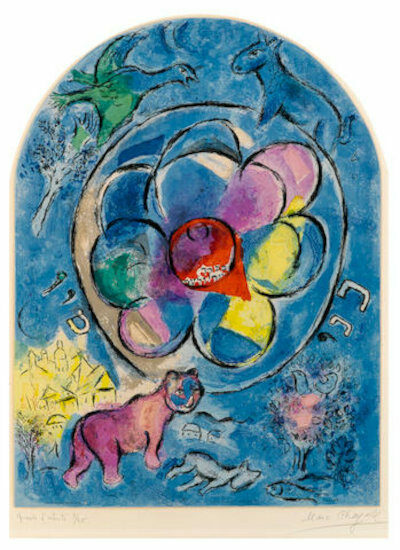 Tribe: Benjamin – The tribe of Benjamin is connected to hidden strength and dreams. Benjamin was Jacob’s youngest son, symbolizing resilience and potential.
Sense: Sleep – Sleep represents hidden miracles, as seen in dreams and moments of quiet revelation.
Zodiac Symbol: Sagittarius (Bow) – The bow symbolizes aiming for spiritual goals and achieving them.
Biblical Context: Kislev is known for the miracle of Chanukah, when the Maccabees rededicated the Temple after their victory over the Greeks.
Holiday Connection: Chanukah celebrates the miracle of the oil lasting eight days and the triumph of light over darkness.
Personal Reflection: In Kislev, you are reminded to awaken your hidden potential. How can you kindle your inner light and aim for spiritual growth?
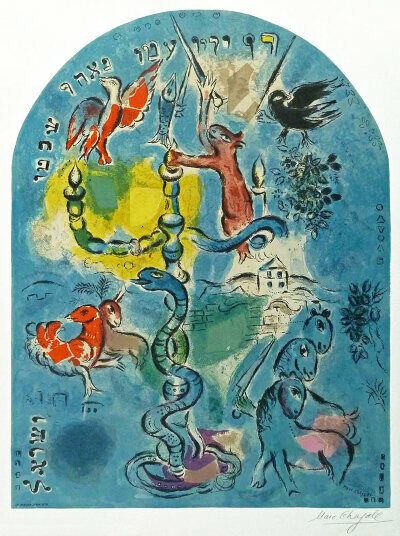 Tribe: Dan – The tribe of Dan is associated with judgment and discipline. Dan, the son of Jacob and Bilhah, symbolizes perseverance and spiritual ascent.
Sense: Anger – Tevet challenges you to channel emotions constructively and maintain self-control.
Zodiac Symbol: Capricorn (Goat) – The goat represents resilience and the ability to climb spiritual heights.
Biblical Context: Tevet includes the fast of the 10th of Tevet, marking the siege of Jerusalem by the Babylonians.
Holiday Connection: The Tenth of Tevet calls for introspection and resolve in the face of adversity.
Personal Reflection: Tevet invites you to find strength in challenges. How can you use setbacks as opportunities to grow and climb higher?
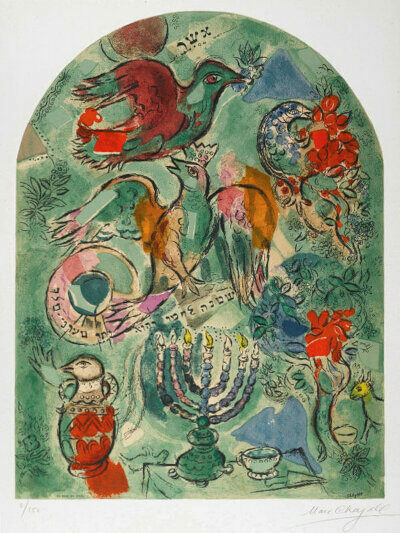 Tribe: Asher – The tribe of Asher is associated with abundance and sustenance. Asher, the son of Jacob and Zilpah, represents blessings and happiness.
Sense: Eating – Shevat celebrates the blessings of the land, particularly its fruits.
Zodiac Symbol: Aquarius (Water Carrier) – The water carrier represents nourishment and flowing blessings.
Biblical Context: Shevat marks the time when Moses reviewed the Torah before the Israelites entered the Promised Land.
Holiday Connection: Tu B’Shevat, the New Year for Trees, celebrates the renewal of nature and the blessings of the land.
Personal Reflection: Shevat encourages you to practice gratitude for God’s gifts. How can you appreciate the abundance in your life and share it with others?
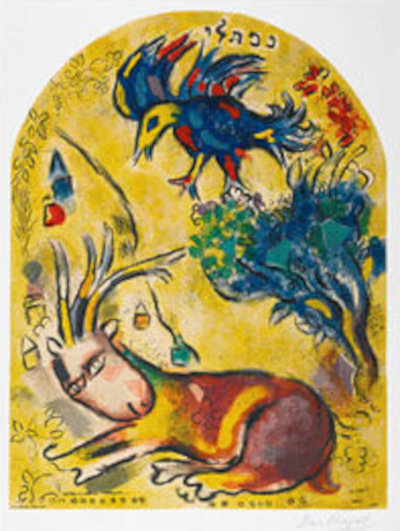 Tribe: Naphtali – The tribe of Naphtali is known for joy and agility. Naphtali, the son of Jacob and Bilhah, represents blessings and freedom.
Sense: Laughter – Laughter reflects the joy of Purim and the transformation of sorrow into celebration.
Zodiac Symbol: Pisces (Fish) – Fish represent hidden miracles and divine protection.
Biblical Context: Adar marks the salvation of the Jews in the Purim story, as recorded in the Book of Esther.
Holiday Connection: Purim celebrates the victory of the Jewish people over Haman’s decree and the joy of divine intervention.
Personal Reflection: Adar invites you to embrace joy and gratitude. How can you transform challenges into opportunities for laughter and celebration?
Each month in the Jewish calendar offers you a chance to reflect, grow, and connect to God. By exploring the themes of the tribes, senses, and symbols, you can better understand your own spiritual path. By engaging with these insights, you align yourself with the divine flow of time, transforming every day into a step toward personal and collective redemption.
Take a moment to reflect on the current month. How can its themes inspire you to grow closer to your true self and to God?
This article is based on teachings from the ancient Jewish text called the Sefer Yetzirah (a mystical work believed to date back to the early centuries CE) and the teachings of Rabbi Yitzchak Ginsburgh (a contemporary Chassidic thinker).
* In case you’re wondering why the tribe of Levi isn’t included, they weren’t assigned to a month. Levi had a unique spiritual role: this tribe was dedicated to serving God in the Temple in Jerusalem. Because of their special connection to God, Levi transcends the cyclical nature of time and the influence of mazal. They serve as a timeless example of devotion and holiness.










My country has a huge relationship with Dan Tribe. 🤍💙
Wonderful!
This is wonderful. While holidays and fast days can be easily focused, I have not seen an easily understood connection to each month. Thank you.
Wow