



 Debunking Viral Claim About the Talmud and Minors

28 min read
17 min view



5 min read


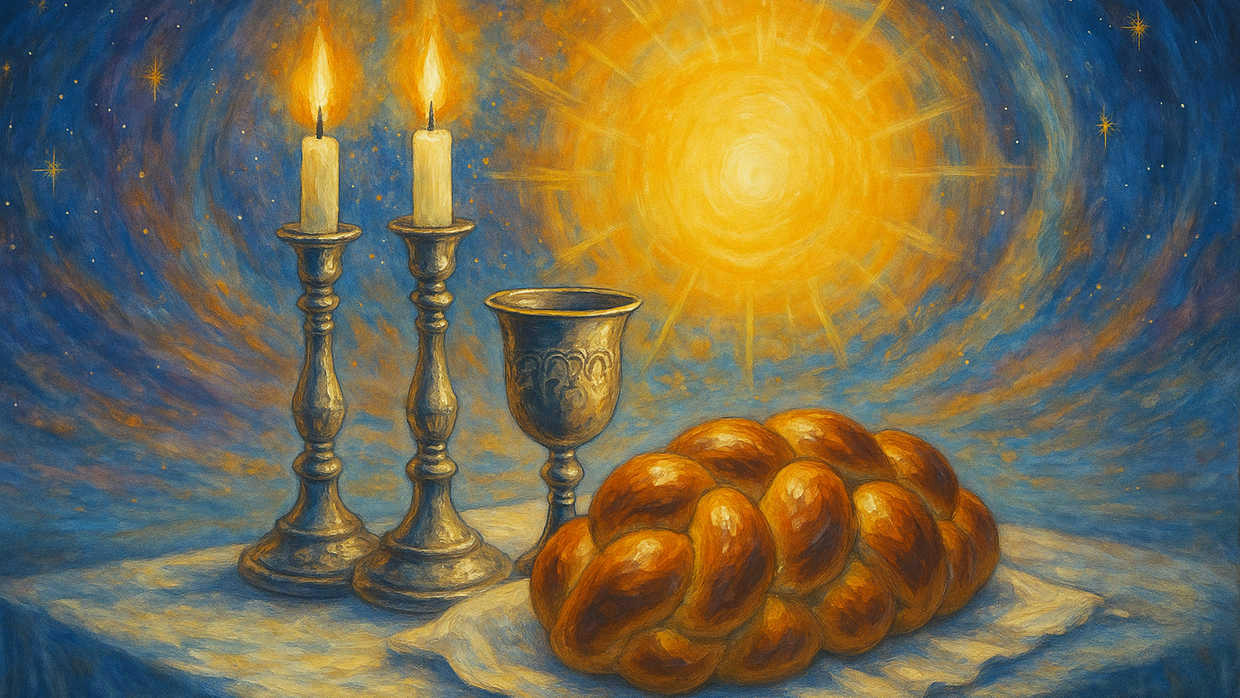
In the cacophony of modern life, Shabbat provides a timeless oasis where the soul finds meaning amidst the chaos.
Our world never stops. Progress has become our religion, productivity our virtue, and rest our guilty pleasure.
But what if our obsession with constant motion is missing something fundamental about human existence? What if the key to progress lies in knowing when to stop?
Enter Shabbat. Never in history has there been more of a need for this weekly sanctuary from the relentless pursuit of worldly endeavors. One day each week, the machinery of human striving grinds to a halt. Phones go silent. Laptops close. Creation itself takes a breath. Observing Shabbat has transformed my understanding of my place in the world.1
Judaism asserts that life has a destination: The World to Come. In the Ethics of Our Fathers (4:16), the rabbinic sages describe, "This world is a corridor; the next world is the destination - prepare yourself in the corridor so you may enter the banquet hall."
When I first started becoming observant, I didn't understand the need for a World to Come. After a summer squall in Atlanta, I was with Rabbi Karmi Ingber in his backyard picking up fallen branches. I asked him: "This world is great - there's so much for us to do here; we can grow, build relationships, help others, perform mitzvot. Why do we need a World to Come?"
He responded, "What if I told you to go take all the branches we'd picked up and put them back on the lawn - how would you feel?" He gave me a moment to ponder. "That's a life without the World to Come." Our actions feel meaningful because we believe they are leading to something greater. The destination gives meaning to the entire journey. His message resonated with me.
The destination gives meaning to the entire journey.
And that is the purpose of Shabbat. The Talmud states, "Shabbat is a taste of the World to Come."2 In a world engulfed by the relentless march of progress and the cacophony of modern life, Shabbat is a timeless oasis where the soul finds solace and purpose amidst the chaos. On Shabbat, we strive to experience life as complete and perfect. No more acts of creativity, no more work, no more cooking. We're not even supposed to think about what we're doing after Shabbat! What is, is. We have arrived. All is complete.
Understanding Shabbat as our weekly taste of the World to Come clarifies three puzzling aspects of this holy day:
Because Shabbat connects us to our ultimate purpose. For six days, we create our reality and on Shabbat, we live in the reality we created. Six days of becoming, one day of being. That’s the microcosm for this World and the World to Come. In This World, we create our reality - who we will be for eternity. In the World to Come, we experience the person we created ourselves to be. In order to course-correct throughout that creative process, God gives us Shabbat to stay aligned with our higher purpose and ideals.
Shomer means 'Guard', and Shabbat represents our destination - our day of arrival. One who is Shomer Shabbat is therefore someone who guards their ultimate purpose by living each moment with the end in mind. This title perfectly captures the essence of an observant Jew: one who shapes their present actions around their eternal destination.
Because Shabbat is the experience of arrival - of reaching our destination. The feeling is one of “Ahhhh… I made it. Everything is perfect exactly as it is.”
These answers point to something profound about the Jewish approach to life. To live a life with Shabbat is to be on a journey infused with the energy of connecting to the ultimate destination. Western society is all about results. Eastern spirituality is all about the process. For the Jew the answer is "Both!"
Here's a practice to taste this perfection each Shabbat: When the sun sets on Friday night, close your eyes and take a deep breath. Let go of the week's unfinished tasks - they're complete for now. Feel that sense of "Ahhhh... I made it!" Then, open your eyes to a world perfect exactly as it is. This moment of Shabbat serenity is your taste of the World to Come.
May we all taste the holy pleasure of Shabbat each week and merit to experience the ultimate rest and perfection of the World to Come!
Shabbat Shalom!
Inspiration for this essay comes from the teachings of Rabbi Akiva Tatz